
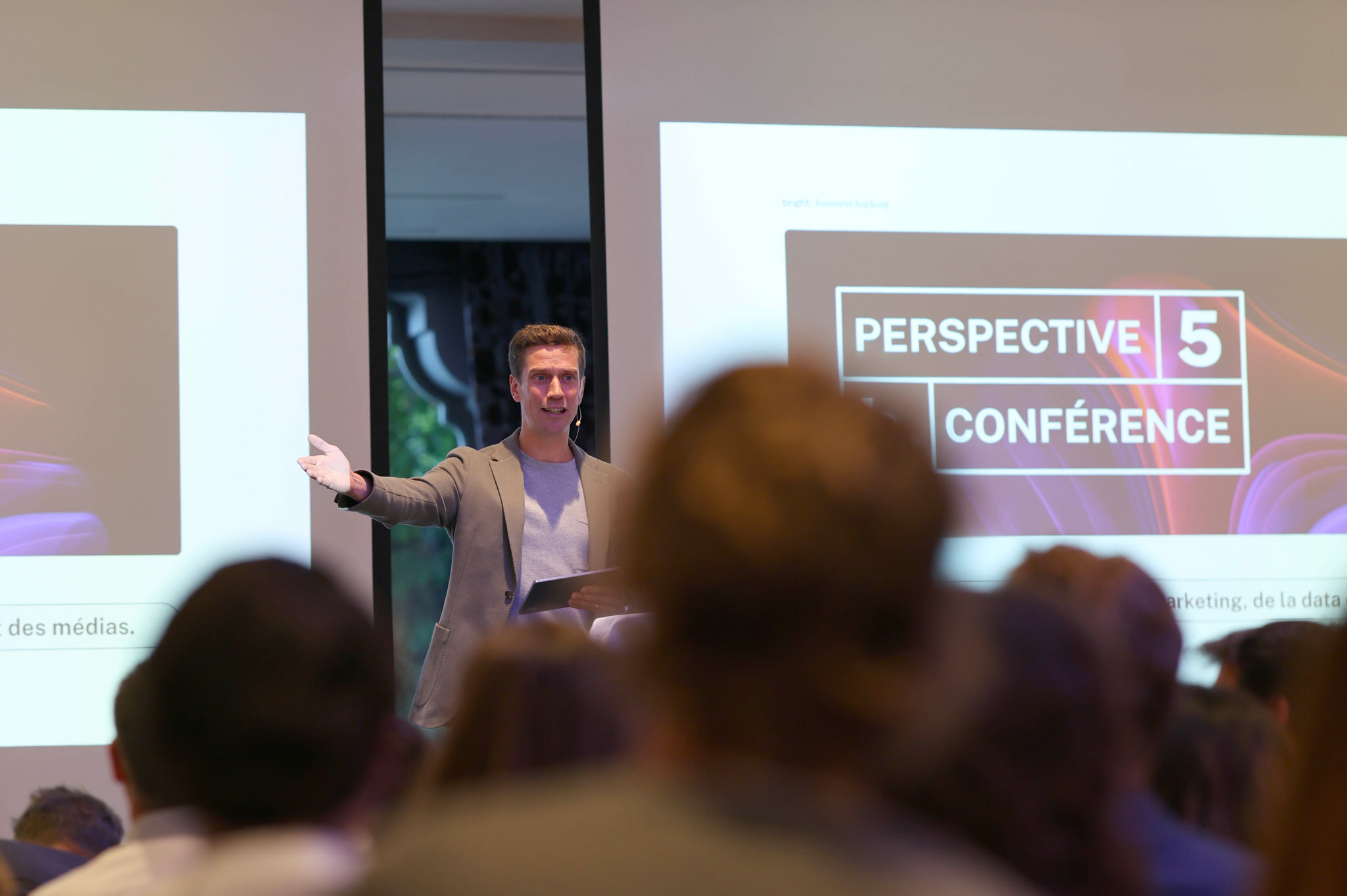
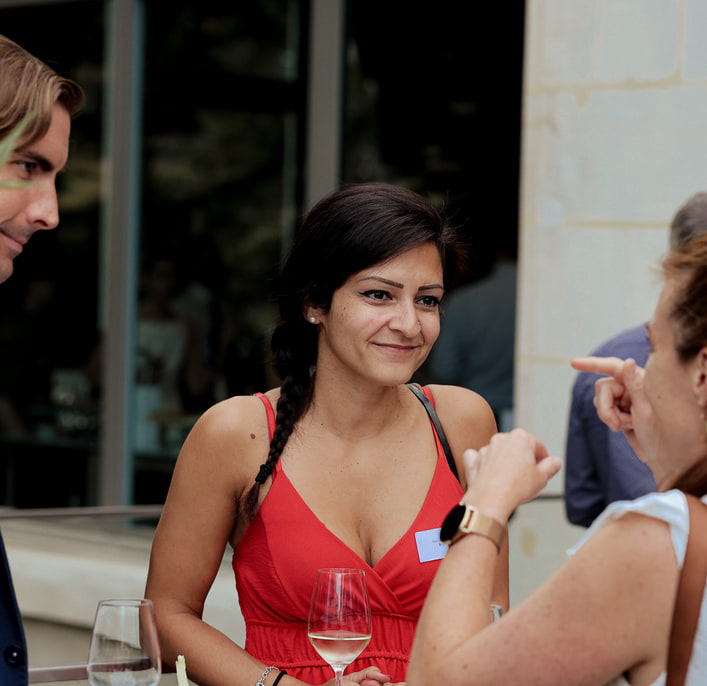
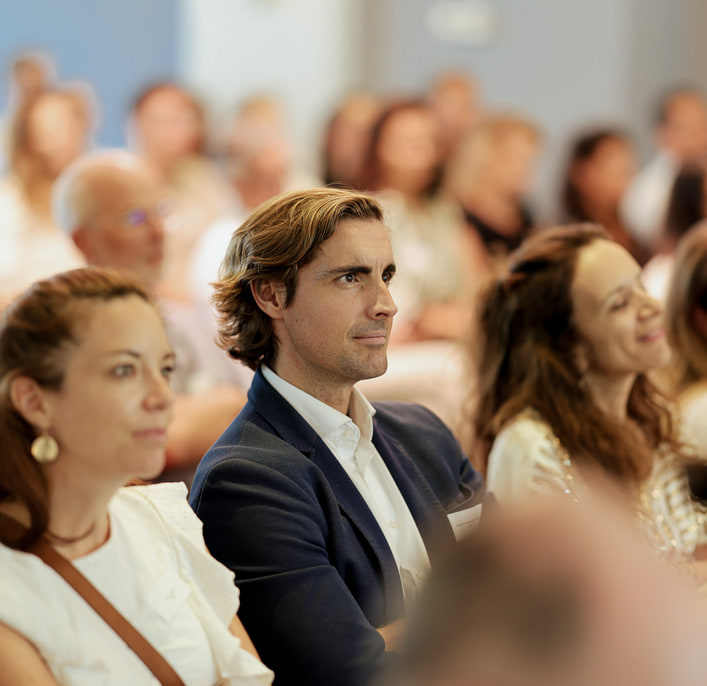
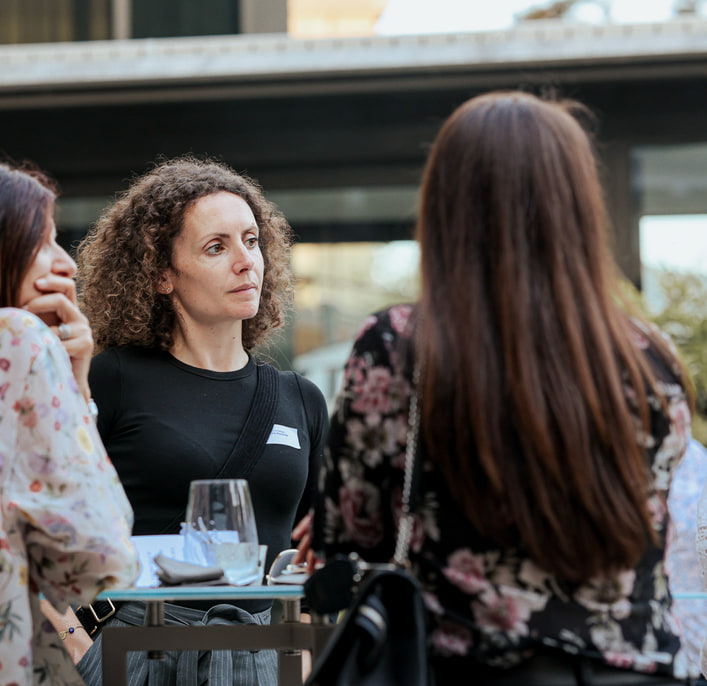
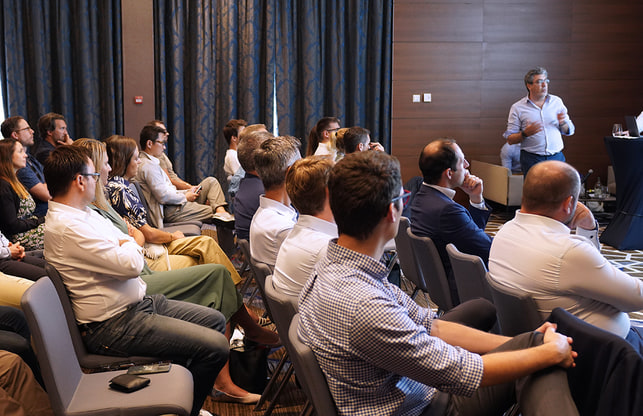
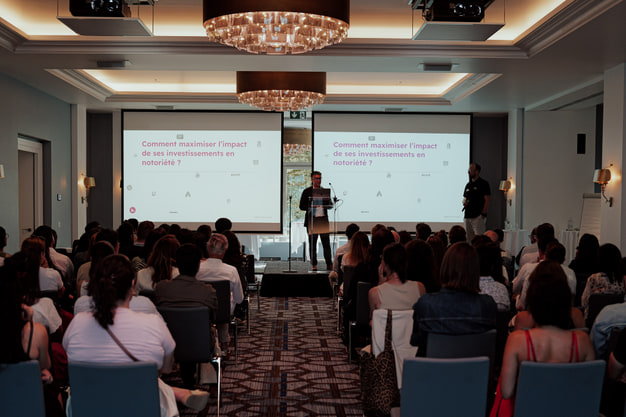
INTROOn 4 June 2026, at the Royal Savoy in Lausanne, more than a hundred professionals from marketing, data, creative and media gathered for the fifth edition of Perspective. An edition that marks a turning point: after four years exploring the fundamentals of rigorous marketing — acquisition, growth, the reconciliation of awareness and performance — the moment had come to look the horizon in the face. AI is here. It is reshuffling the cards. And the question is no longer whether it will transform our trades, but how we choose to make it our architecture.
When AI stops being a threat and becomes an architecture.
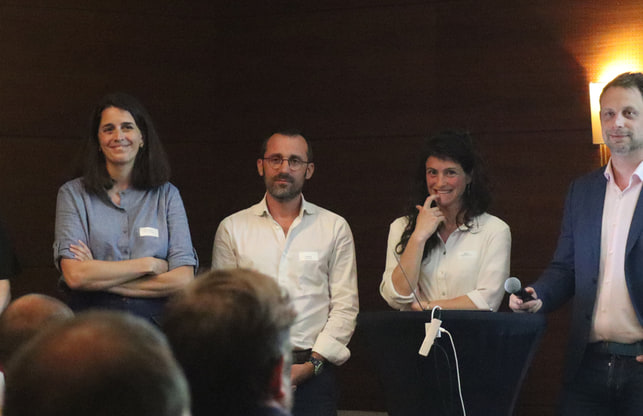
To lead the discussion, we were lucky to be joined by Loïc Reffet — journalist at Swiss television and founder of the production agency Numéro 9. With humour, sharpness and finesse, he orchestrated the talks and the exchanges with the audience masterfully, turning each high point of the evening into a genuine moment of dialogue. Hosting worthy of this edition’s ambition.
A promise that evolves, a course that holds.
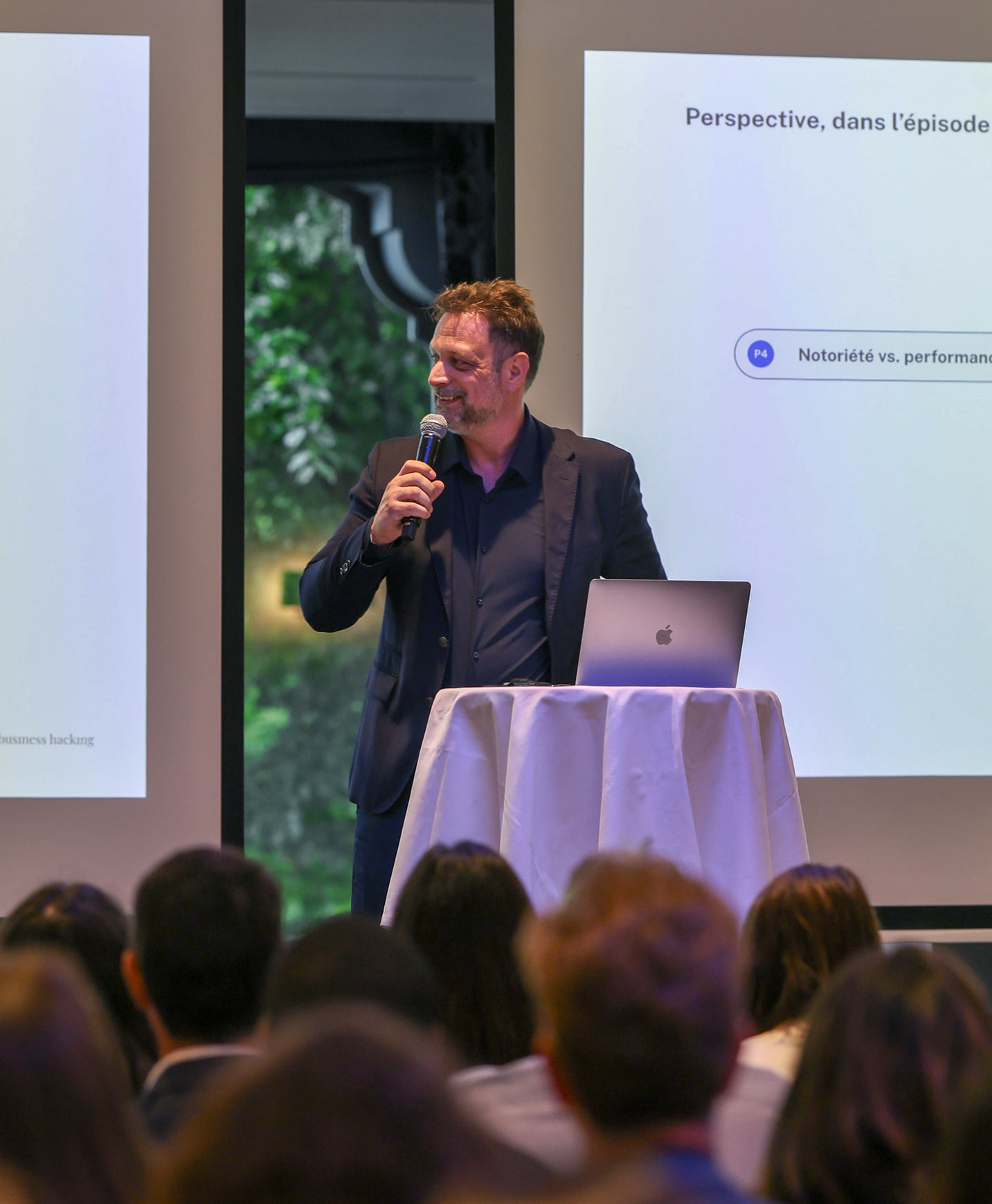
In his opening, Damien Fournier set out the course of the past seven years — “your budget steered as if it were our own” — before laying down the manifesto for the years ahead: AI coupled with data to see further into the figures, AI in creative to produce faster, better, cheaper, AI to code complete landing pages designed to convert.
bright’s role is no longer only to execute: it is to orchestrate. To be the architects, the visionaries of a marketing set-up where the transparency of the early days, the rigour of the data, the force of the creative and the power of AI come together — in the service of a single promise: our clients’ growth.
Four talks, one shared conviction
The evening brought together four talks, each shedding light on one facet of this transformation.
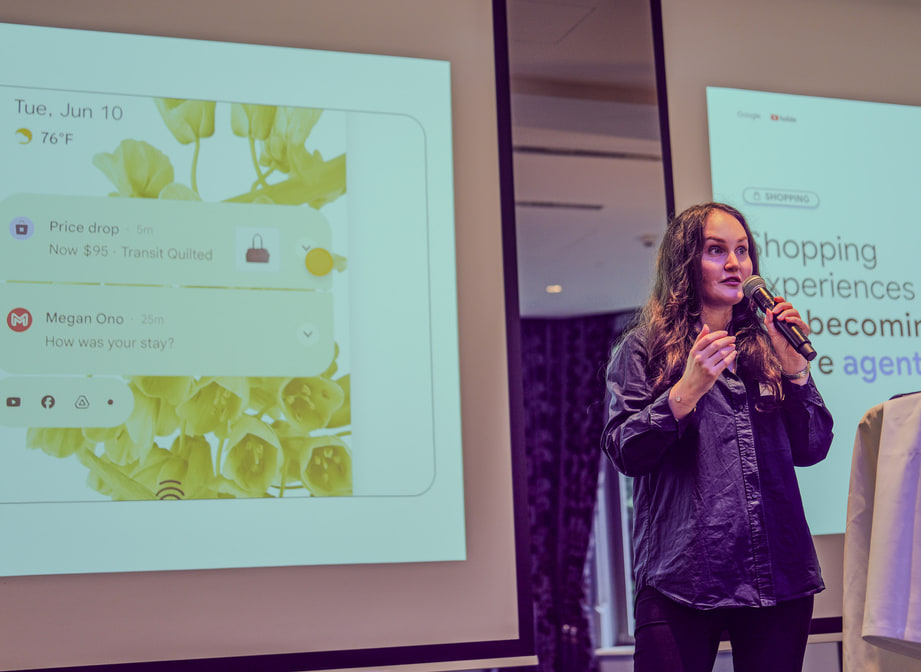
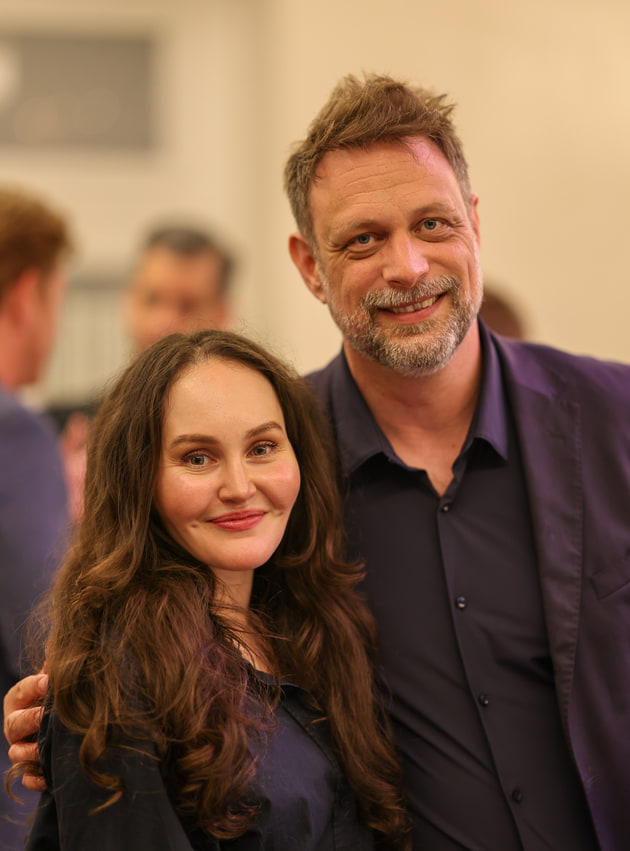
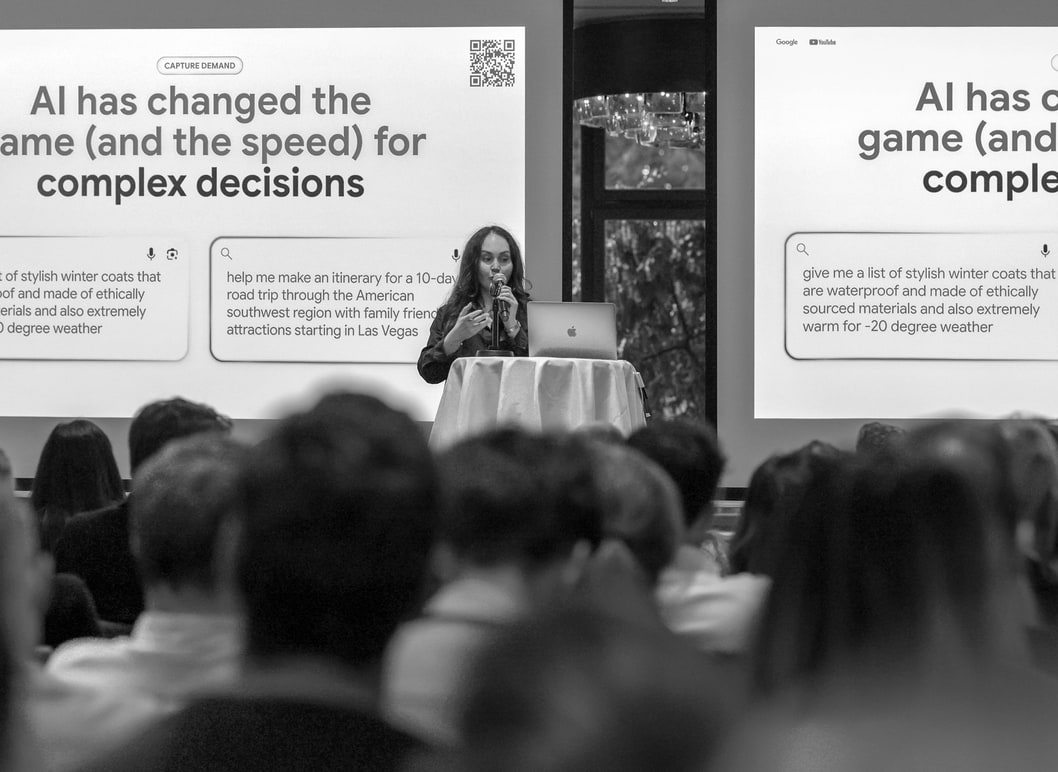
Elena Sara Zamora Alzerreca (Strategic Partnerships Development Manager, Google Marketing Platform EMEA) opened proceedings with a panorama of the year’s most striking advances, and above all AI Max — the new generation of Google campaigns, where generative creative is now folded natively into delivery. A concrete demonstration of what “creative becomes AI” means.

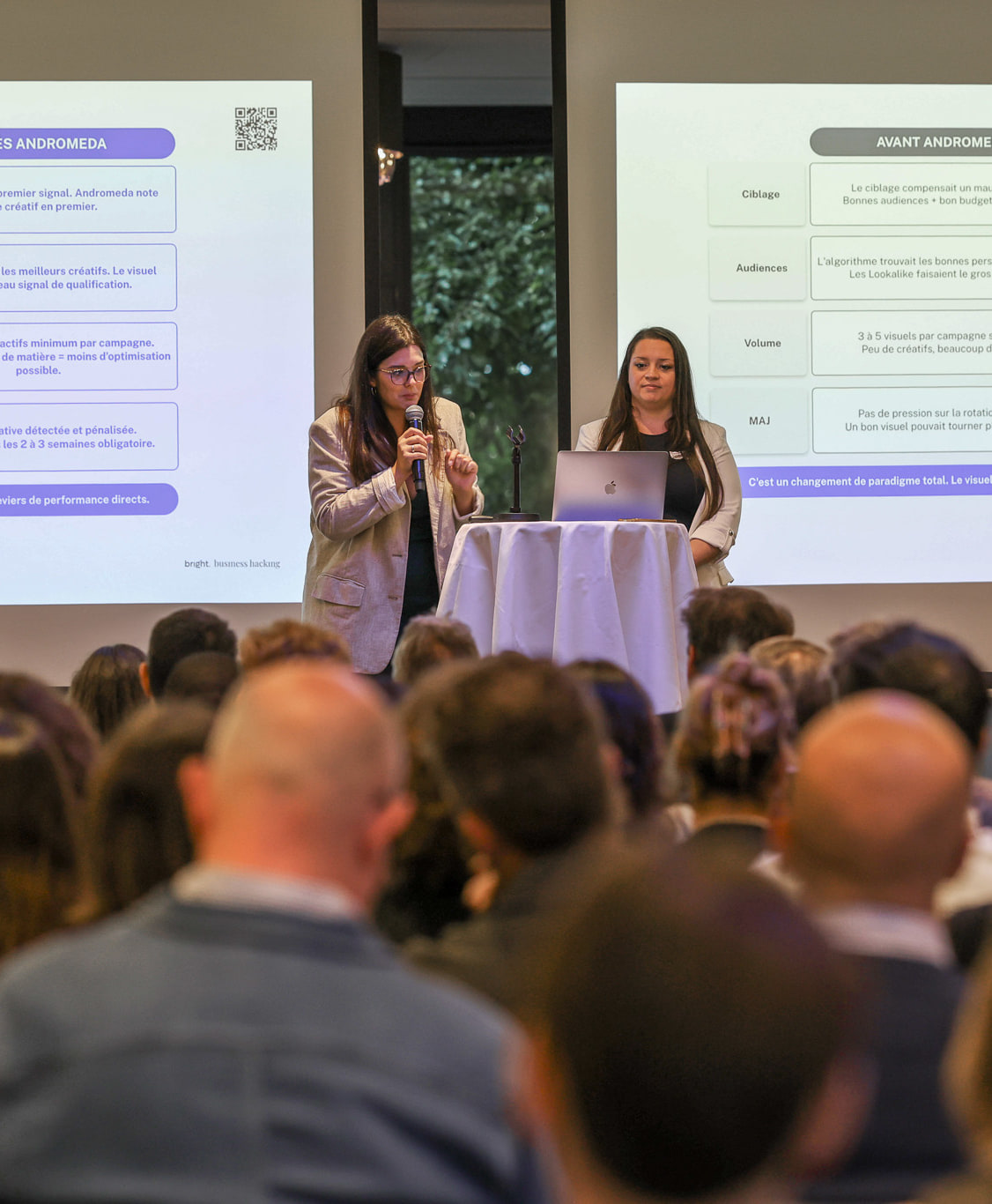
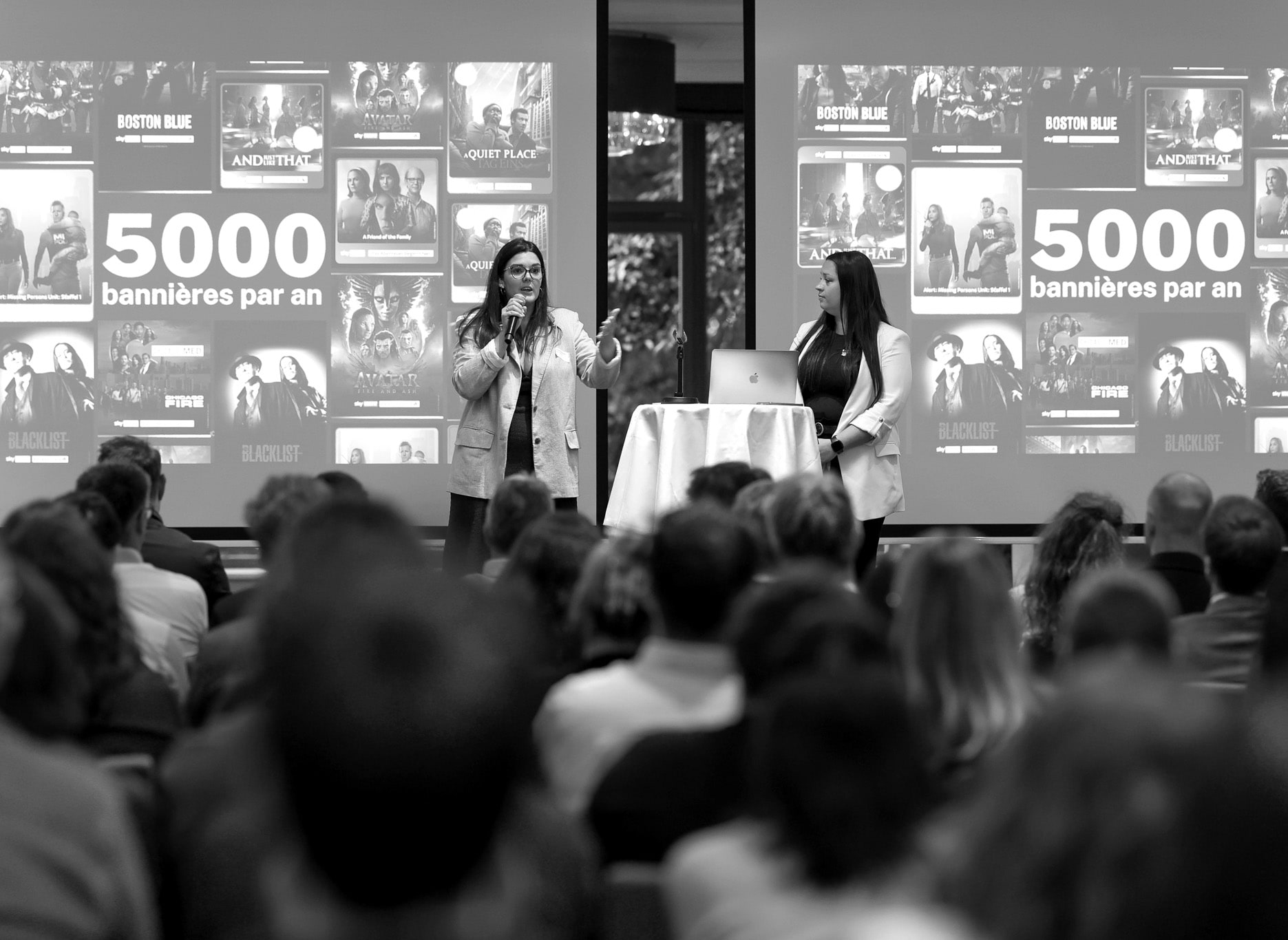
Andréa Schollhammer (Head of Performance, bright) and Marija Mahmutovic (Digital Marketing Manager, Sky Show) then shared an exploration from the field: how Meta Andromeda is redefining advertising creative. Decoupling, creative masters, UGC, permanent testing across hundreds of series — the demonstration that testing, testing again, and testing relentlessly remains the only law that holds in a market as shifting as streaming.

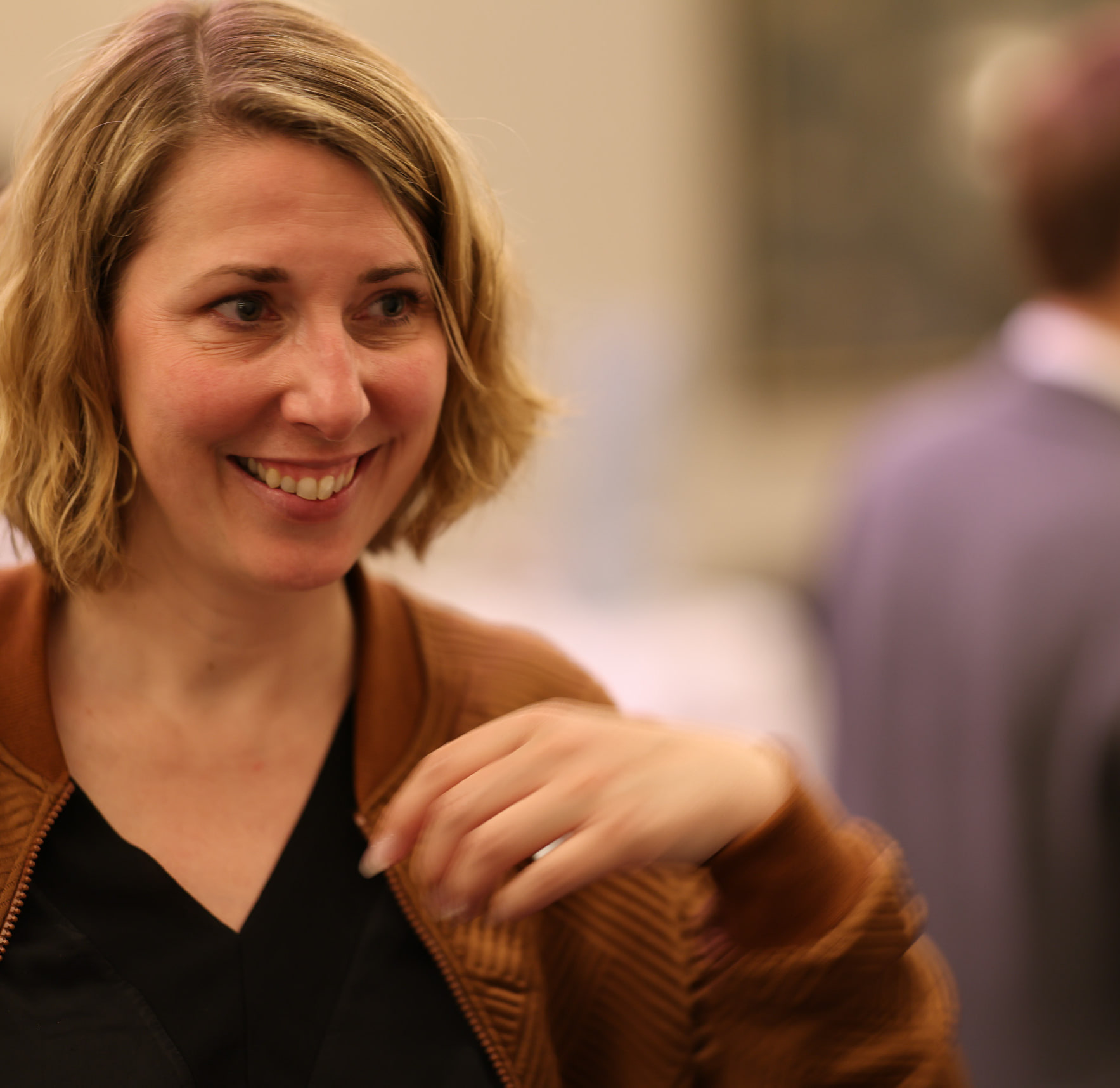
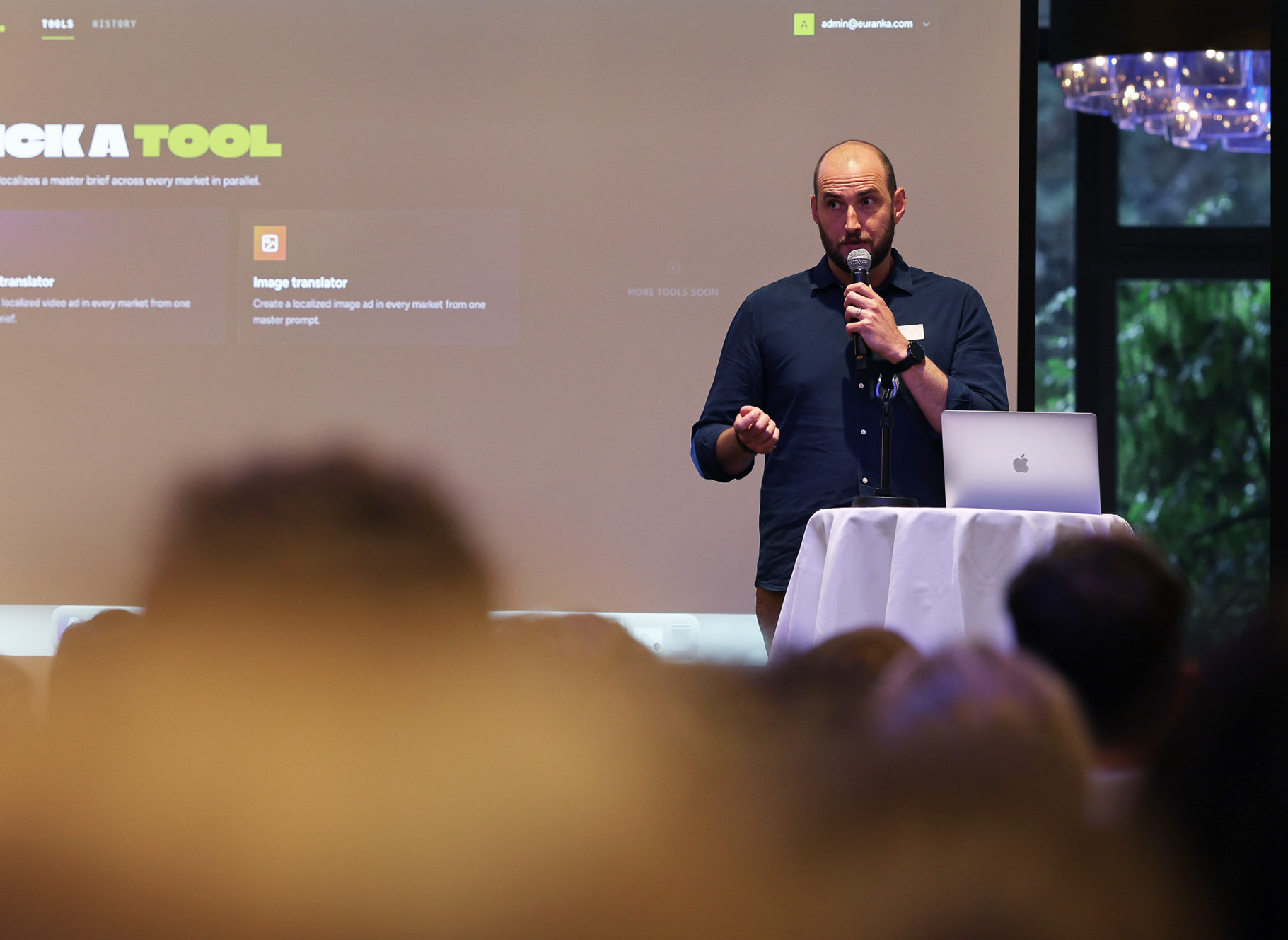
Raphaël Garcia (CEO, Euranka) presented Gorillads, a solution developed to answer a challenge that has become universal: producing UGC videos on the fly, hyperlocalised, capable of addressing twenty different markets in ultra-competitive sectors. This is where AI leaves the ground of mere productivity to become a genuine engine of personalisation at scale.
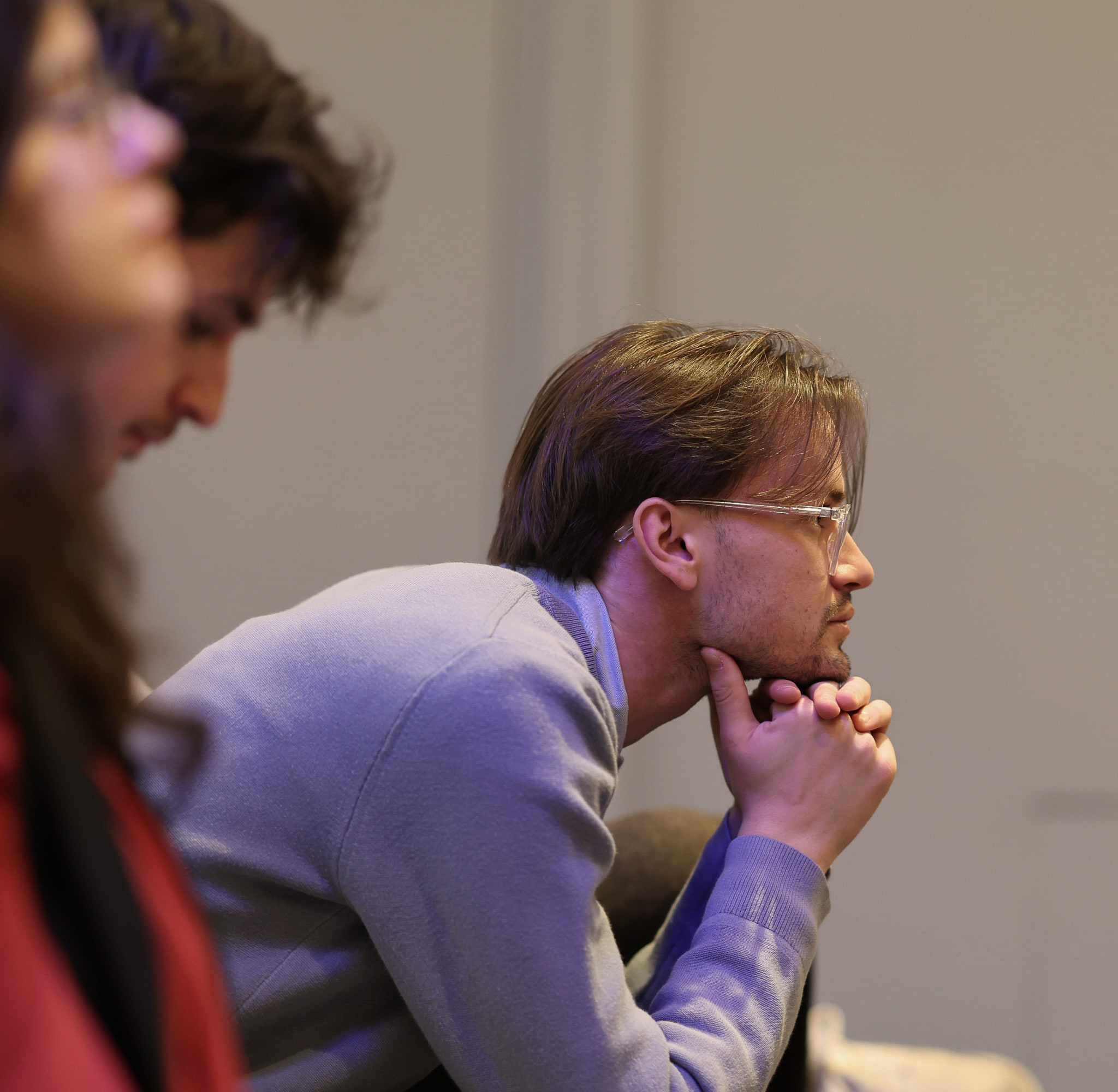
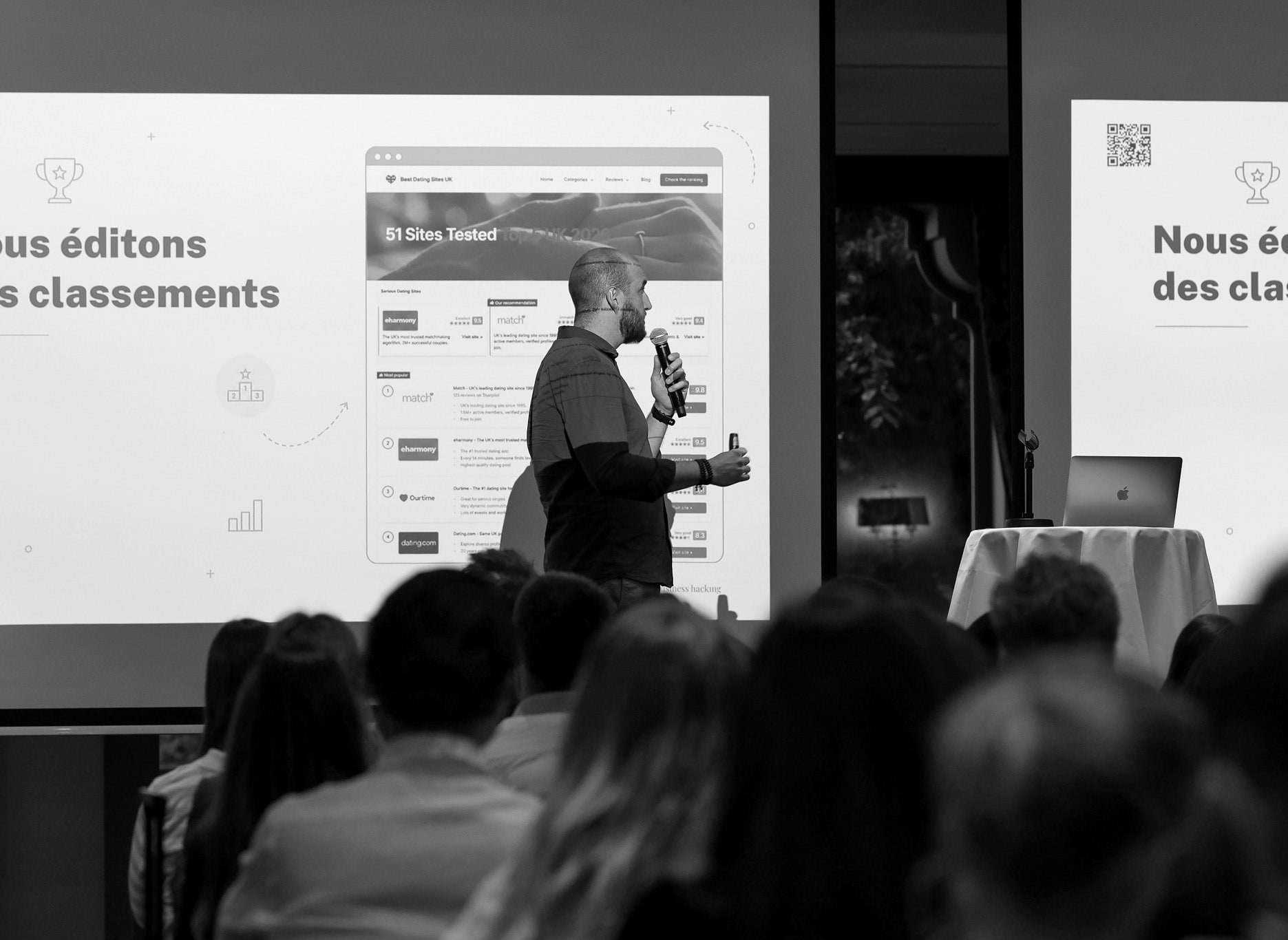
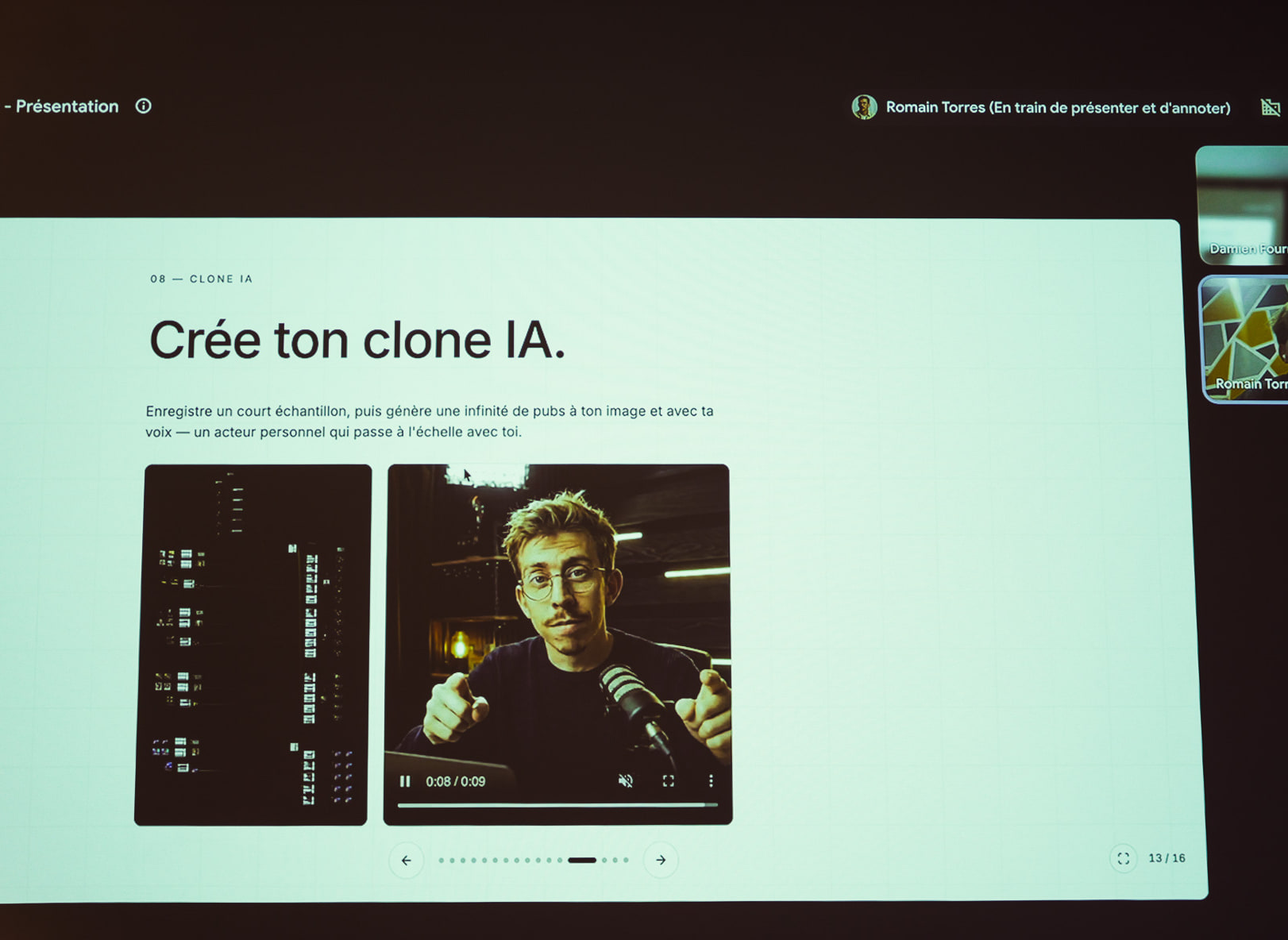
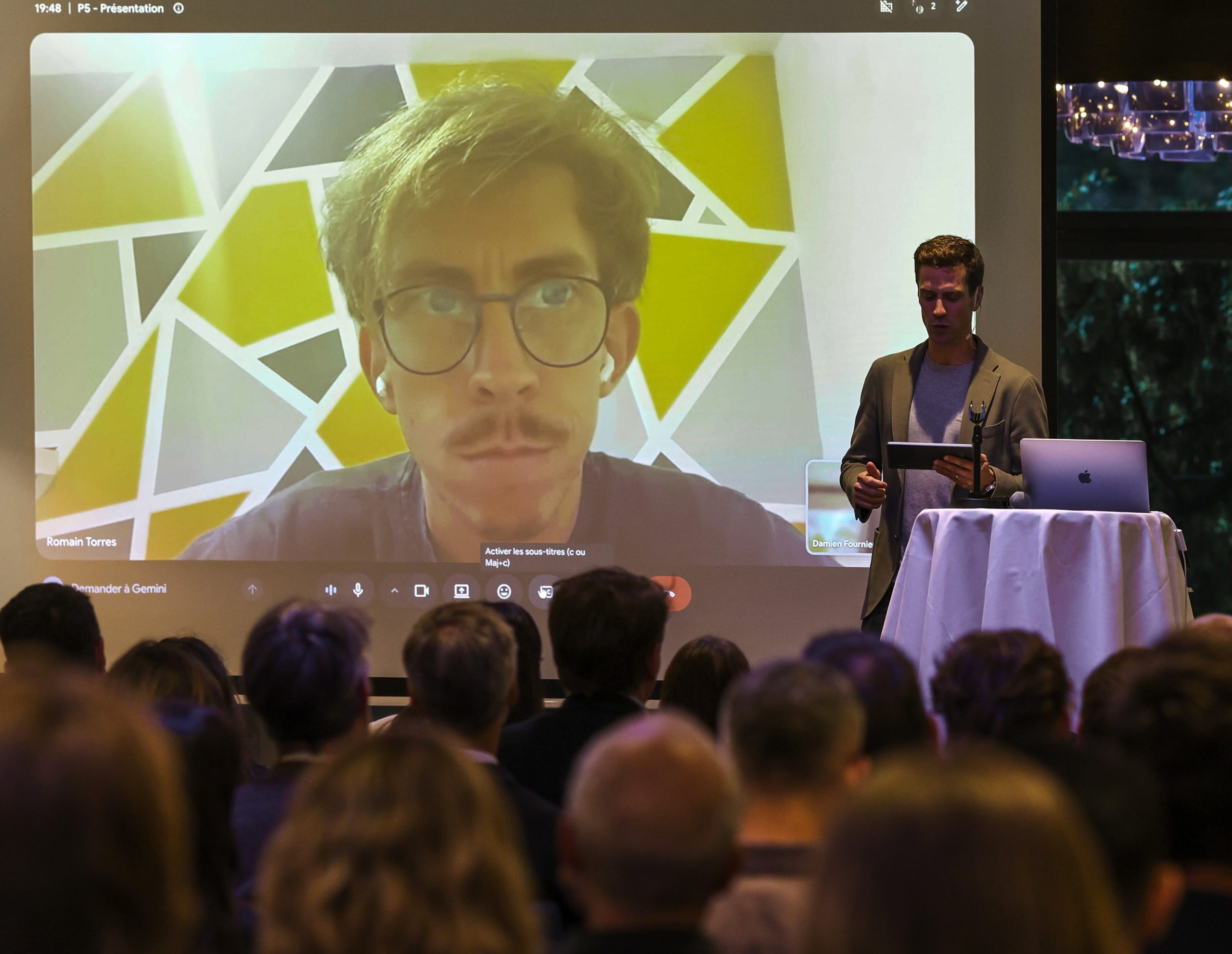
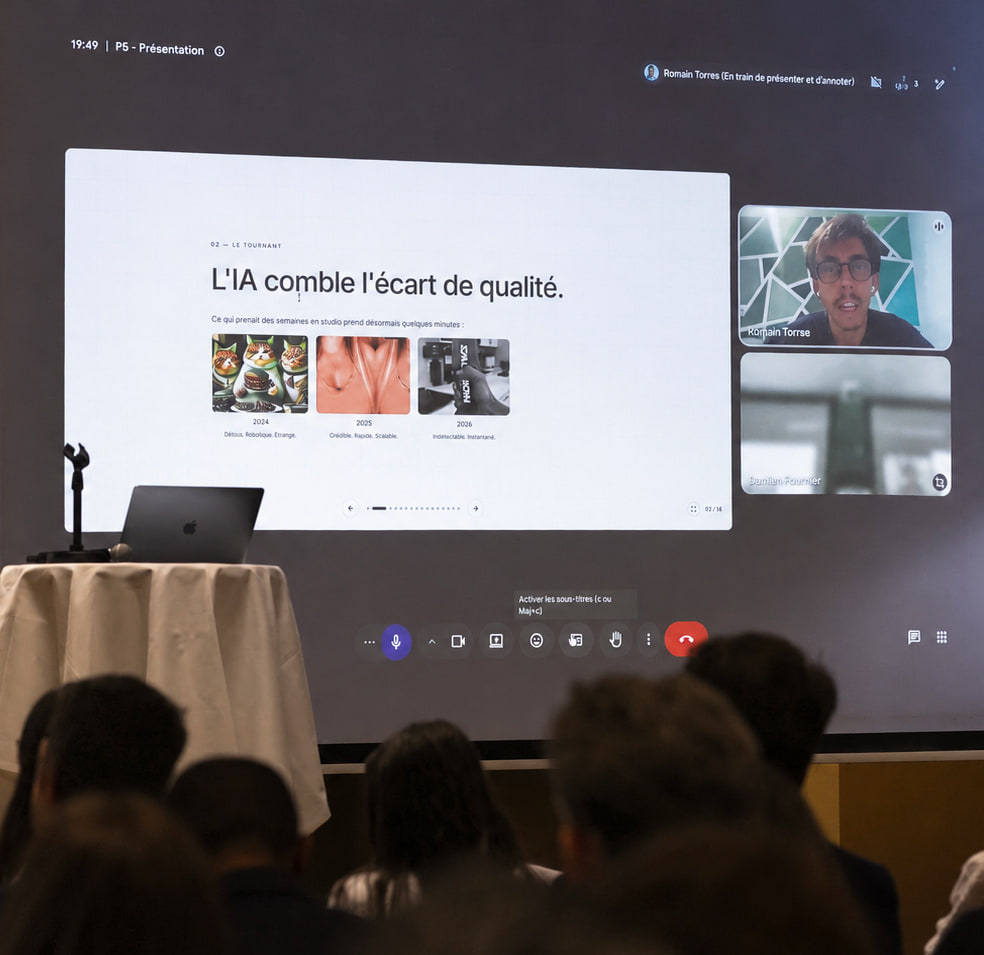
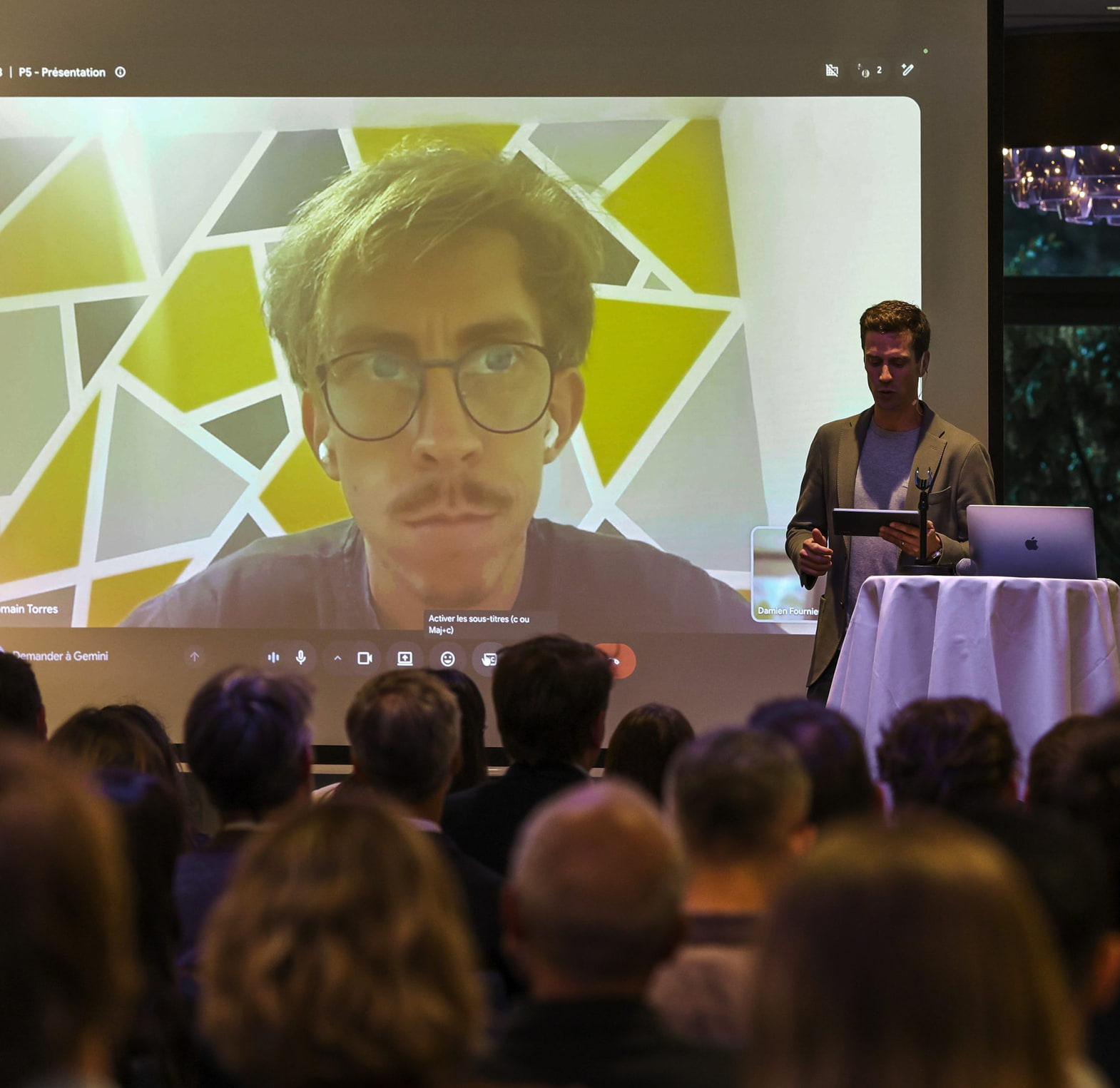
Romain Torres (co-founder, Arcards.ai) closed the evening by showing what AI-assisted visual creation can produce when it is conceived not as a shortcut but as an amplifier of strong ideas. A scale-up to watch very closely, whose tools open up creative possibilities not seen before.
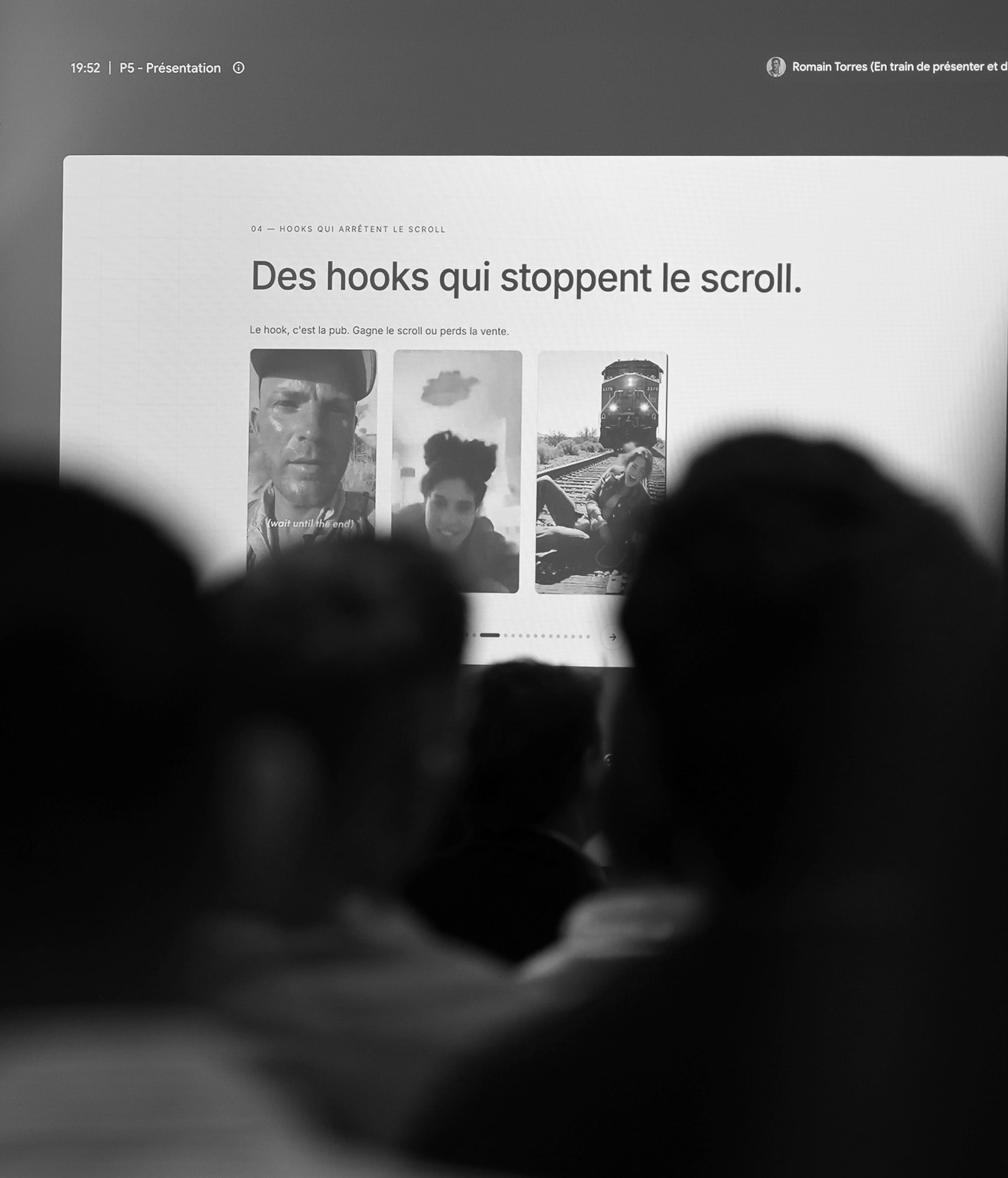
And what next?
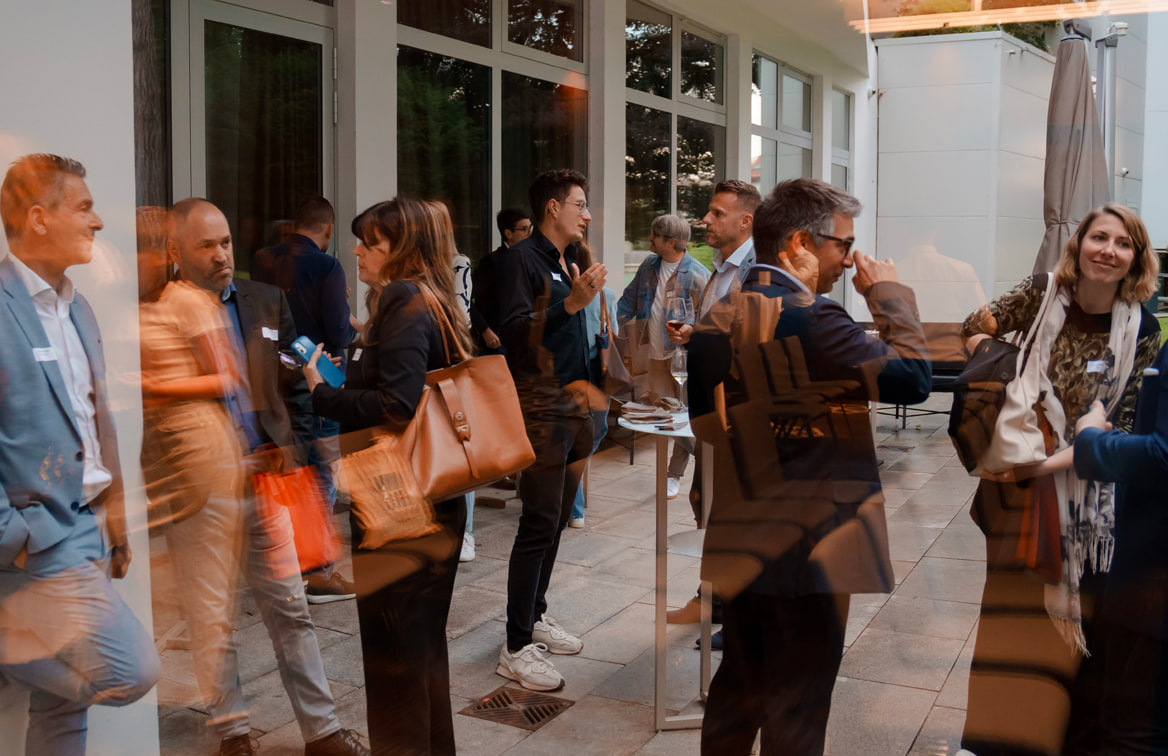
Perspective 5 marked a milestone. Not because AI was in the spotlight — it is everywhere today — but because the evening put an essential question: how do you bring these tools in without losing what gives a brand, a piece of creative, a strategy its value? The answer, as it took shape through the evening, holds in one word: orchestration. Choosing, articulating, calibrating, amplifying. As always, the evening carried on around a standing dinner — because the best architectures are also drawn around a table. Perspective 6 is already in preparation.
Below, the detailed summaries of each talk.
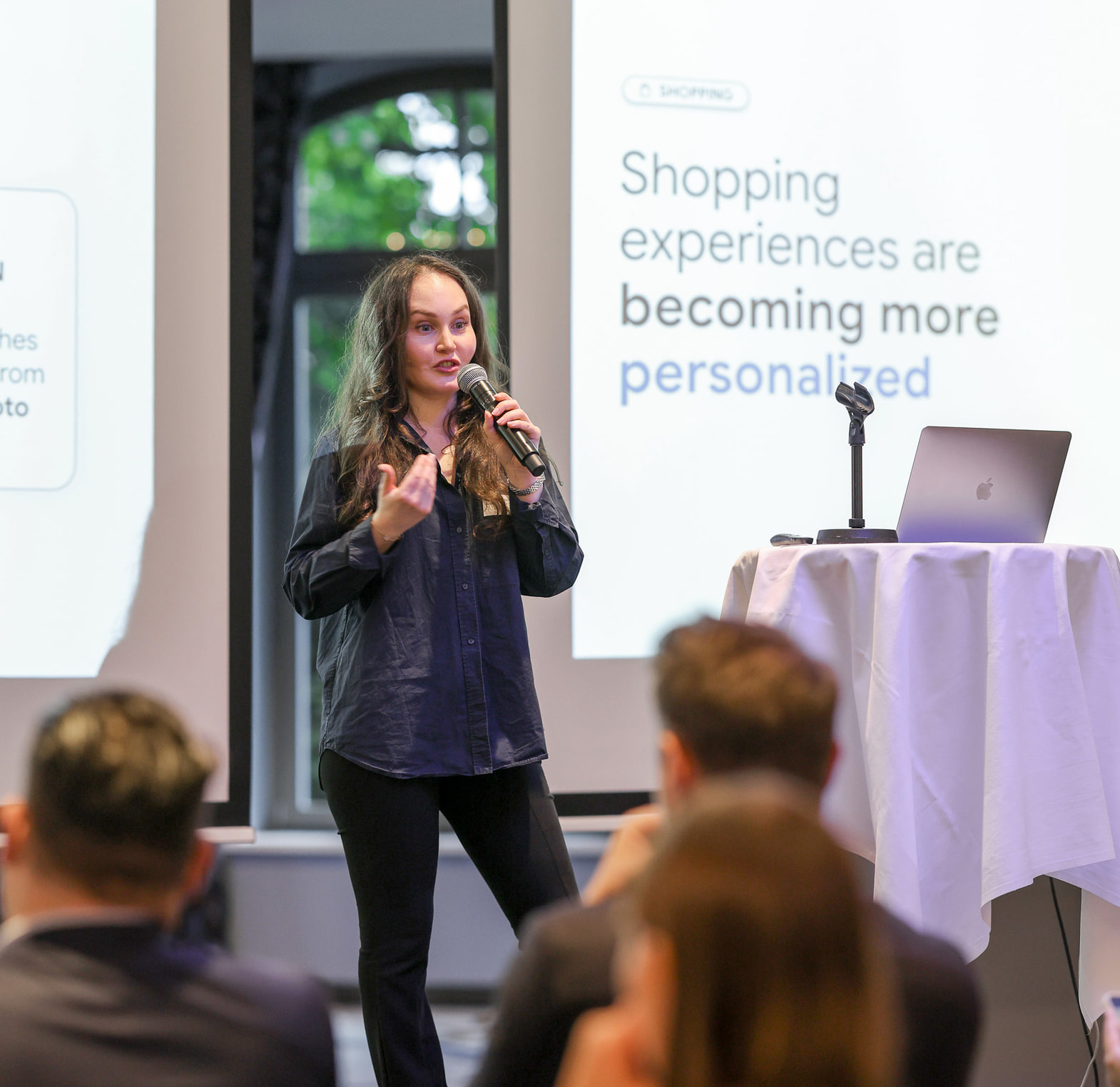
For Perspective 5, we had the pleasure of welcoming Elena Sara Zamora Alzerreca, Strategic Partnerships Development Manager at Google, who came to share her view of the future of Search and the latest changes driven by artificial intelligence.
For us, these exchanges carry a particular resonance. As a Google partner agency, we are lucky to work closely with its teams and to get regular access to new features, to beta programmes and to innovations before they roll out at scale.
And after this talk, one thing is clear: Search is living through its greatest transformation since the arrival of mobile.


SKY SHOW
When creative becomes an algorithmic signal.
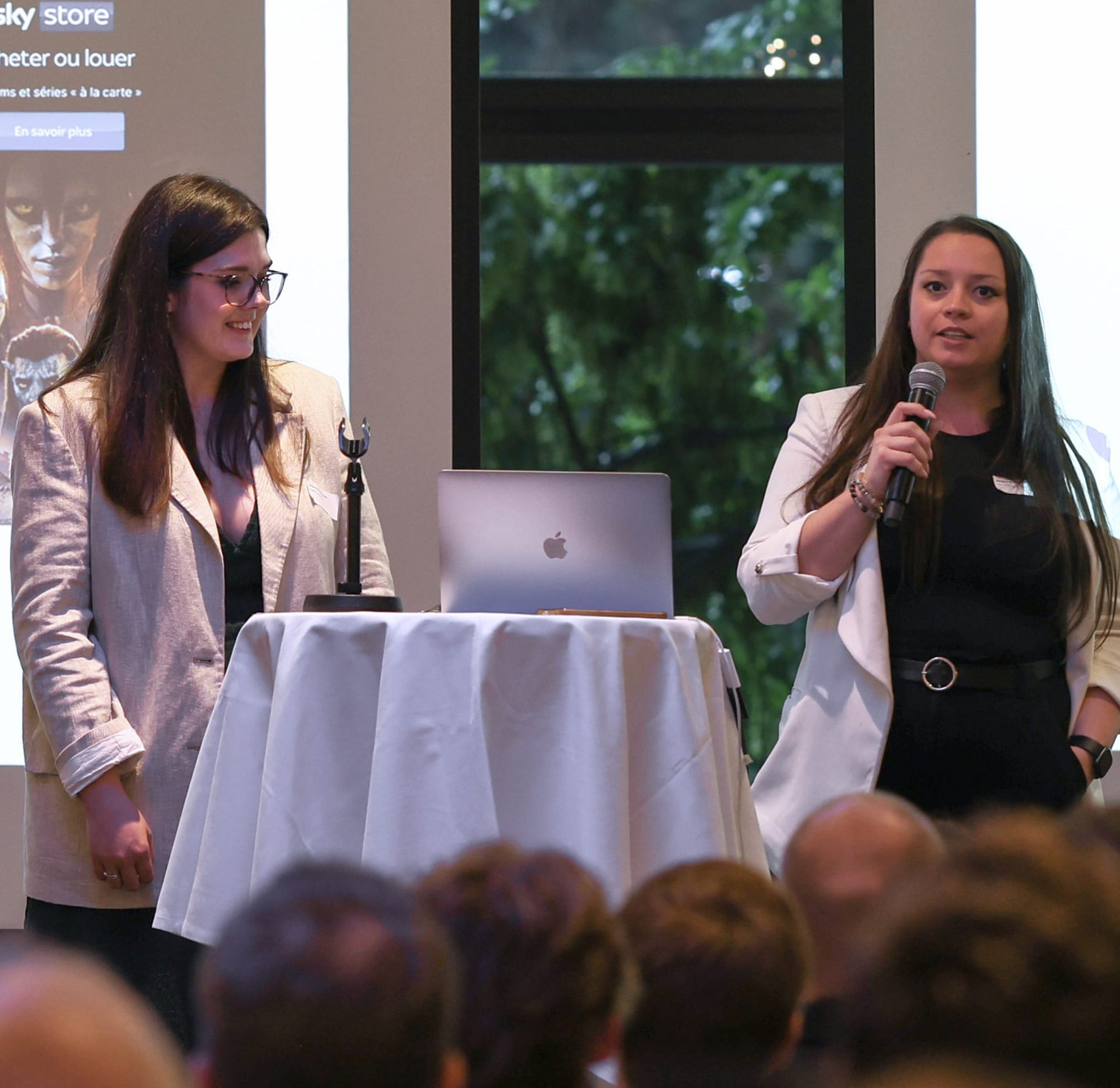
With Andréa Schollhammer (Head of Performance, bright) and Marija Mahmutovic (Digital Marketing Manager, Sky Show), this talk put a question central to digital marketing in 2026: why has creative become the new lever of advertising performance on Meta?
The paradigm shift: Andromeda
For a long time, performance on Meta rested on targeting, audiences and budget optimisation. Good targeting could make up for a mediocre visual. With the arrival of Andromeda — Meta’s new AI-based ad ranking system — that equation has been inverted.
Andromeda no longer waits for users to react before assessing an ad: it analyses the creative content directly — visual composition, ability to capture attention, legibility, freshness, emotion. Within a few hundred milliseconds, every ad receives a creative quality score that directly influences its delivery.
The consequence for brands: produce more, more varied, renewed more often. Creative is no longer one deliverable among others — it has become an algorithmic signal in its own right.
A creative industrialisation designed over years
To meet that challenge, you first need the industrial means. That is exactly what bright has been working on for several years alongside Sky Show. The platform holds an extremely rich catalogue, with releases coming continuously — every series, every film, every universe becomes creative raw material. But that richness comes with formidable complexity: studio constraints, graphic guidelines, legal limitations, a multiplicity of formats, and assets often identical to those used by every other streaming platform.
So the challenge is not only to produce campaigns: it is to create differentiation at scale.
It is precisely to answer that challenge that bright has structured a genuine industrial creative production logic, founded on a mature decoupling process: creative masters, dynamic templates, multi-format adaptation, agile production. In concrete terms, that means close to 5,000 banners produced every year by bright’s teams to support the Sky Show campaigns — a volume made possible by the craft of Dana, our Lead Content Producer, and a rigorous production methodology (decoupling).
The AI pivot: rethinking the historic creative models
But Andromeda’s arrival has called those models into question. Homogeneous, clean, highly codified campaigns — the ones that dominated yesterday — no longer perform as they did. We had to reinvent our approach, exploring new creative angles:
- human and AI-generated UGC formats
- Highlights videos mixing several content universes
- mock collection formats inspired by Meta’s native codes
- contextual campaigns fitted to the weather
The verdict is clear: there is no universal recipe any more. A format that performs on one series can be ineffective on another. Highly produced content can sometimes be outdone by a far simpler piece of creative, more native in its approach. Creative performance now rests on the ability to test fast, read the signals and iterate continuously.
Results beyond the norm since the move to AI UGC
Over the past few months, folding AI-generated UGC into our set-up has made it possible to reach performance beyond the norm on Meta for Sky Show — a strong signal confirming the medium’s new equation: creative industrialisation, augmented by AI, is becoming the real engine of advertising performance.
The central lesson
In this new paradigm, the best-performing brands will not necessarily be those with the biggest budgets, but those that learn and adapt the fastest. Creative becomes a living system — capable of producing fast, testing often and evolving constantly. It is exactly that capacity for adaptation, creative structuring and continuous experimentation that bright orchestrates for its clients today.
Fancy spending an excellent evening with us?
Perspective is an annual event offering a series of talks dedicated to data marketing. Get in touch to receive your invitation!
EURANKA
When AI, marketing econometrics and creative are orchestrated in the service of performance.
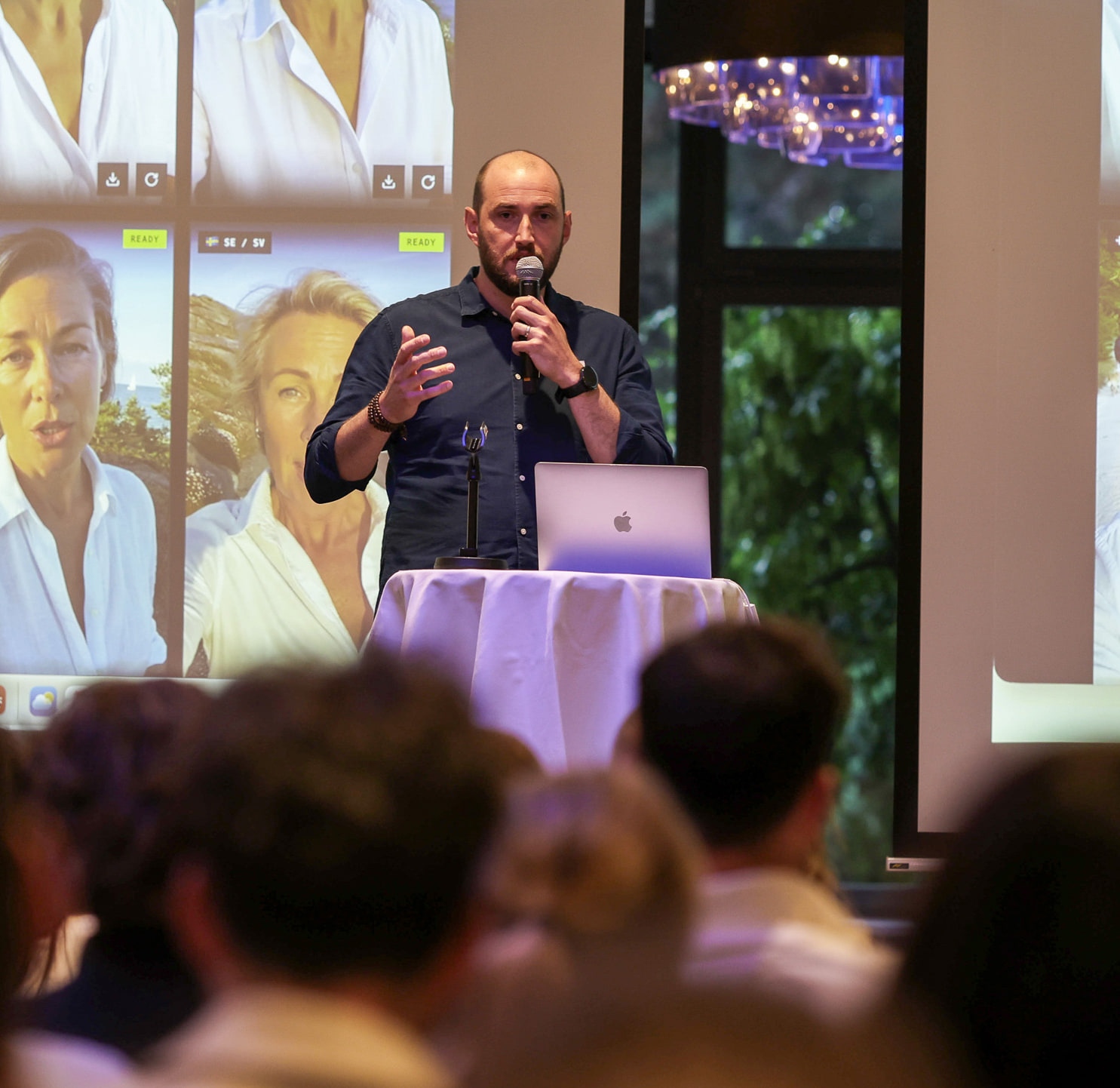
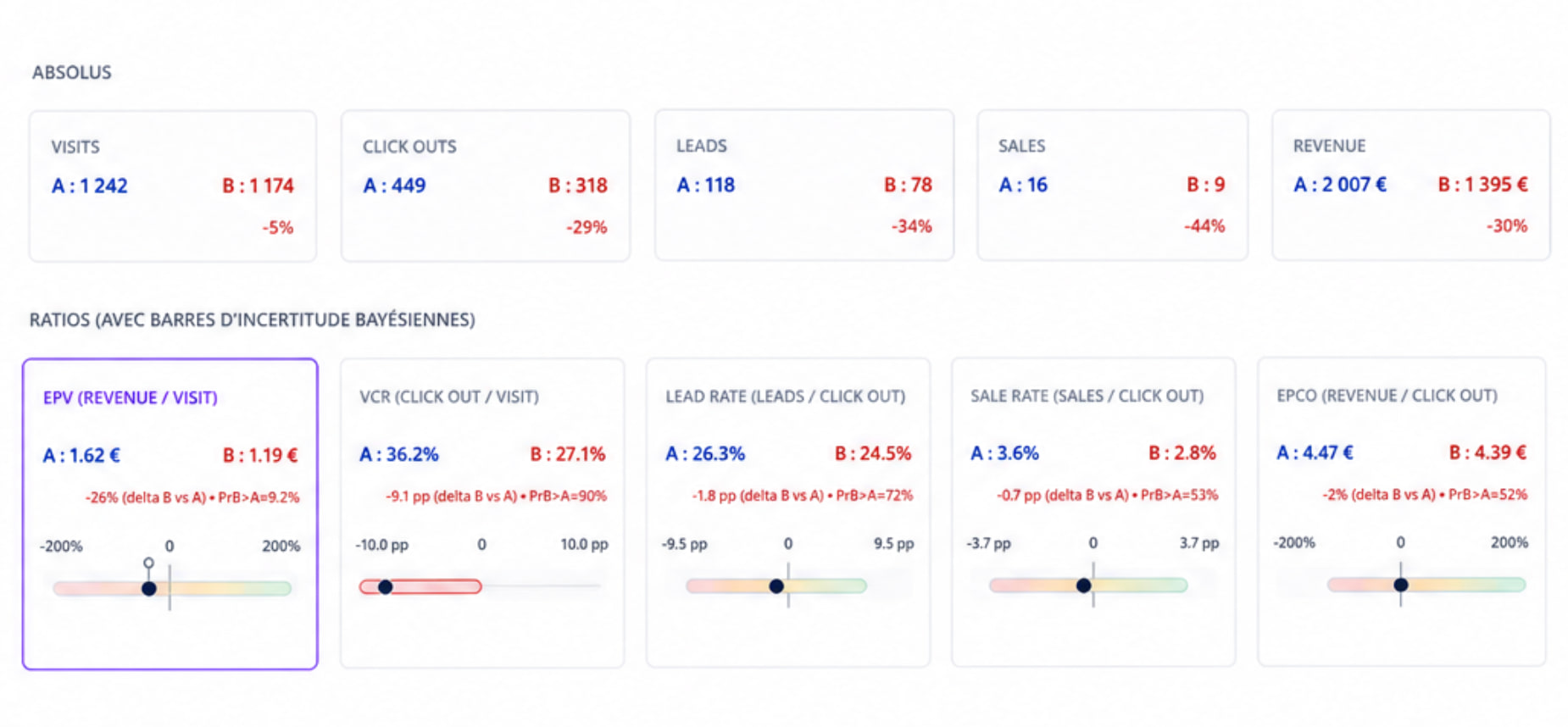
Raphaël Garcia, CEO of Euranka, shared a remarkable case of transformation through AI.
Euranka operates on a lead generation model for advertisers — a performance-based model in which the company carries every media and creative cost in order to deliver the best leads to its partner brands. To make the difference in an extremely competitive market, their strategy is to design an arrangement tailored to each target market — more than 20 countries are covered by Euranka’s activity today. Hyper-personalisation through the hyperlocalisation of advertising assets has established itself as their guiding conviction.
“The future of marketing is hyper-personalisation, and AI is the only way to get there at scale.”
part of the Akiden Ventures group
The arrival of Meta Andromeda at the end of 2025 came to reinforce that approach. The company then made a radical choice: to embrace AI at every level, to the point of devoting 20% of its people’s time to building internal tools — so as to produce more, better, and deliver the right message, in the right place, to the right audience.
That is how Gorillads was born, a solution capable of producing hundreds of hyperlocalised UGC videos on the fly, uploaded automatically into Facebook Ads Manager and A/B tested through a Bayesian model. A striking demonstration of what performance becomes when econometrics, AI and creative are orchestrated together. And the results are there: a few weeks after deployment, Euranka recorded record growth of more than 400% in the first quarter of 2026.
Beyond the tool, Raphaël Garcia offered a deeply methodological account: test, test again, and above all free yourself from your own convictions, so as to confront ideas with the reality of the market quickly. Speed becomes a discipline in itself here — having tools capable of analysing performance in near real time, even if it means decommissioning creative only a few hours after it first ran.
And conversely, capitalising on the assets that work in order to generate new variations of them through AI trans-creation. A logic of continuous improvement where the human steers the strategy, and AI executes, multiplies and learns.

ARCARDS.IA
When AI workflows make hyper-personalisation industrially viable.
To close this fifth edition, Romain Torres (co-founder, Arcards.ai) shared his view of what the production of advertising content becomes in the age of generative AI. The starting observation is widely shared: demand for AI-generated UGC content is exploding, driven by platforms such as Meta and Google, which now require continuous, varied and adaptive production. But behind that demand lies a formidable operational challenge — producing is not enough; the production has to be orchestrated at scale.
The workflow as the new frontier.
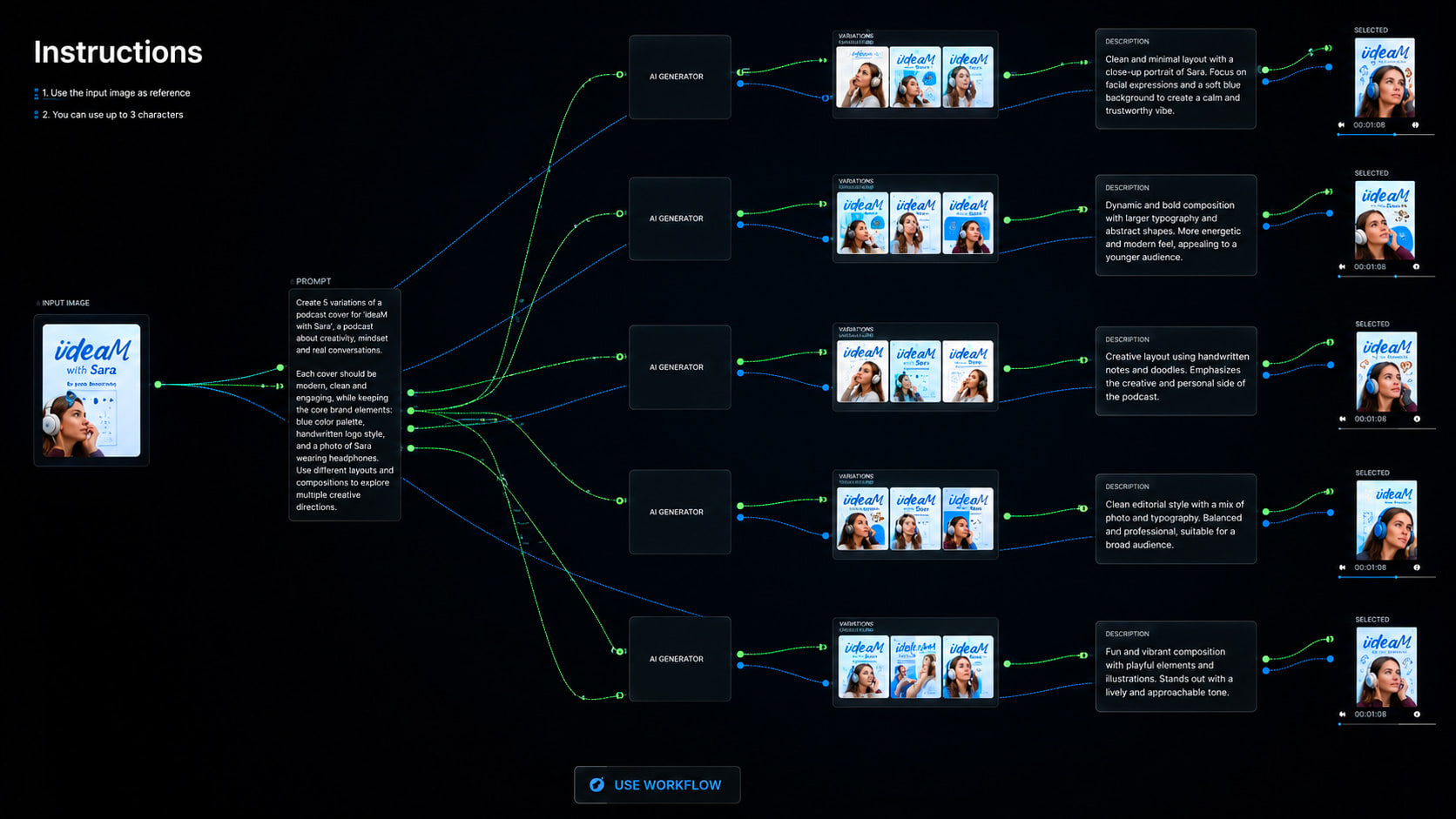
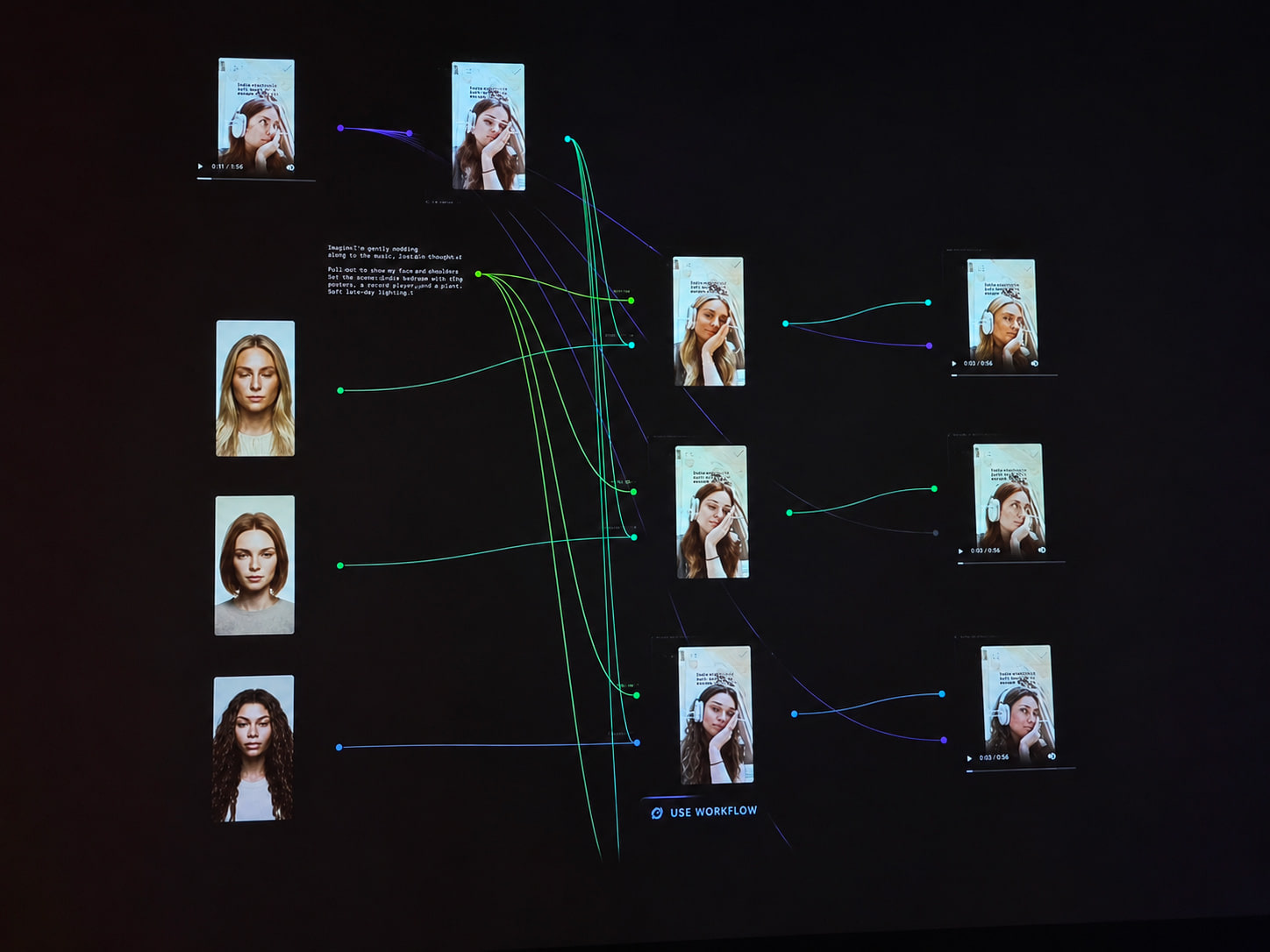
It is precisely on that ground that Arcards.ai offers a major advance. Beyond the mere generation of visuals or videos, the platform now introduces automatable workflows — that is, visually steerable production chains that make it possible to generate not one piece of content, but dozens of variants from a single creative intent. And the most promising novelty: these workflows can now be driven from a simple Claude conversational interface, through a native integration between the two tools.
In concrete terms, an art director or a performance manager can, from Claude, trigger the production of complete sets of advertising assets — breaking a campaign down into variants fitted to different markets, formats or audiences, and visually supervising each step of the workflow. Visual creation thus becomes an orchestrable process, where the human keeps control of the vision while leaning on AI for execution.
The missing link between creative and performance
This innovation makes full sense when set against the evening’s other talks. Sky Show, Euranka, Google: every talk hammered the point home — modern advertising performance now rests on the ability to test fast, commission and decommission on the fly, iterate continuously. But that strategy holds on one condition: having means of production capable of keeping up.
That is exactly what the Arcards.ai workflows unlock. They make a strategy of continuous testing and variation industrially achievable — something that until yesterday remained a theoretical ideal, for want of tools equal to it. And that is the strength of this talk: it is no longer creative that holds performance back, nor performance that impoverishes creative. The workflow becomes the bridge between the two.
A scale-up to watch very closely
Arcards.ai thus illustrates Perspective 5’s central thesis perfectly: AI is not an end in itself, but an architect of processes in the service of brands. By offering creative and performance teams an environment that is visually controllable and natively integrated into everyday tools, this young scale-up sketches what tomorrow’s advertising production chain could become: faster, more personalised, more testable — and above all, more orchestrated.
CONCLUSIONOnce the evening had closed, one observation imposes itself: AI is no longer a distant prospect, it is the reality of marketing today. The advertising platforms — Google with AI Max, Meta with Andromeda — no longer merely analyse audience behaviour: they now assess the creative content directly, folding visual quality, freshness and singularity into the very heart of their delivery algorithms.
For us, these exchanges carry a particular resonance. As a Google partner agency, we are lucky to work closely with its teams and to get regular access to new features, to beta programmes and to innovations before they roll out at scale.
And after this talk, one thing is clear: Search is living through its greatest transformation since the arrival of mobile.
For brands, the equation has changed: you have to produce more, faster, and with more variations — without ever sacrificing quality or coherence. The five talks of Perspective 5 together traced the path for getting there:
showed how generative creative is now folded natively into delivery.
Sky Show x bright.
demonstrated that industrial creative production, founded on decoupling and solid creative masters, remains the indispensable bedrock of a strategy that performs.
Euranka
illustrated the power of hyper-personalisation through hyperlocalisation, driven by AI and marketing econometrics.
Arcards
revealed how AI workflows make industrially viable what until yesterday was only a theoretical ideal: creating hundreds of variants, testable continuously.
The series : Perspective, bright's annual evening
- Creativity and performance3 publications
- Artificial intelligence8 publications

The key skills bright can bring to you